




Preparing Teachers to Teach the Most Important Skill of the Future: Learning How to Learn
Date Submitted: 10/06/2026
In a world where knowledge is constantly evolving and technology can provide information within seconds, the most valuable gift a school can offer students is no longer knowledge alone, but the ability to learn throughout life. How can students learn effectively, think independently, and actively explore new knowledge? This has become one of the central questions of modern education.
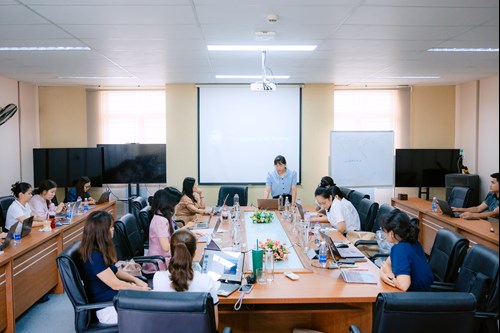
With this vision in mind, the teachers of Olympia Primary, Middle, and High School recently completed the first phase of their Summer 2026 Professional Development Program, themed “Guiding Students in Effective Learning Strategies.” More than a professional training session, it serves as an important preparation step for supporting students in the upcoming school year.
WHEN “TEACHING KNOWLEDGE” IS NO LONGER THE ONLY GOAL
For many years, education has focused primarily on what students should learn. However, growing research shows that successful learning depends not only on the content being taught but also on the strategies learners use to engage with that content.
Therefore, alongside helping students acquire knowledge, teachers must equip them with effective learning strategies so they can retain information, apply it meaningfully, evaluate their own progress, and adjust their learning approaches when needed. These abilities form an essential foundation for adapting to the rapidly changing world of the future.
Throughout the training program, Olympia teachers explored key principles of modern learning science, from understanding how the brain processes and stores information to evidence-based approaches that enhance learning effectiveness.
EXPLORING THE SCIENCE BEHIND EFFECTIVE LEARNING
The training provided teachers with deeper insights into widely recognized learning approaches such as retrieval practice, spaced learning, interleaving, deep questioning, and metacognitive development.
More importantly, the program went beyond theory. Teachers were encouraged to view learning from their students’ perspectives: Why do some hardworking students still struggle to learn effectively? Why does the feeling of “understanding” not always mean genuine mastery? How can students become active learners rather than passive recipients of information?
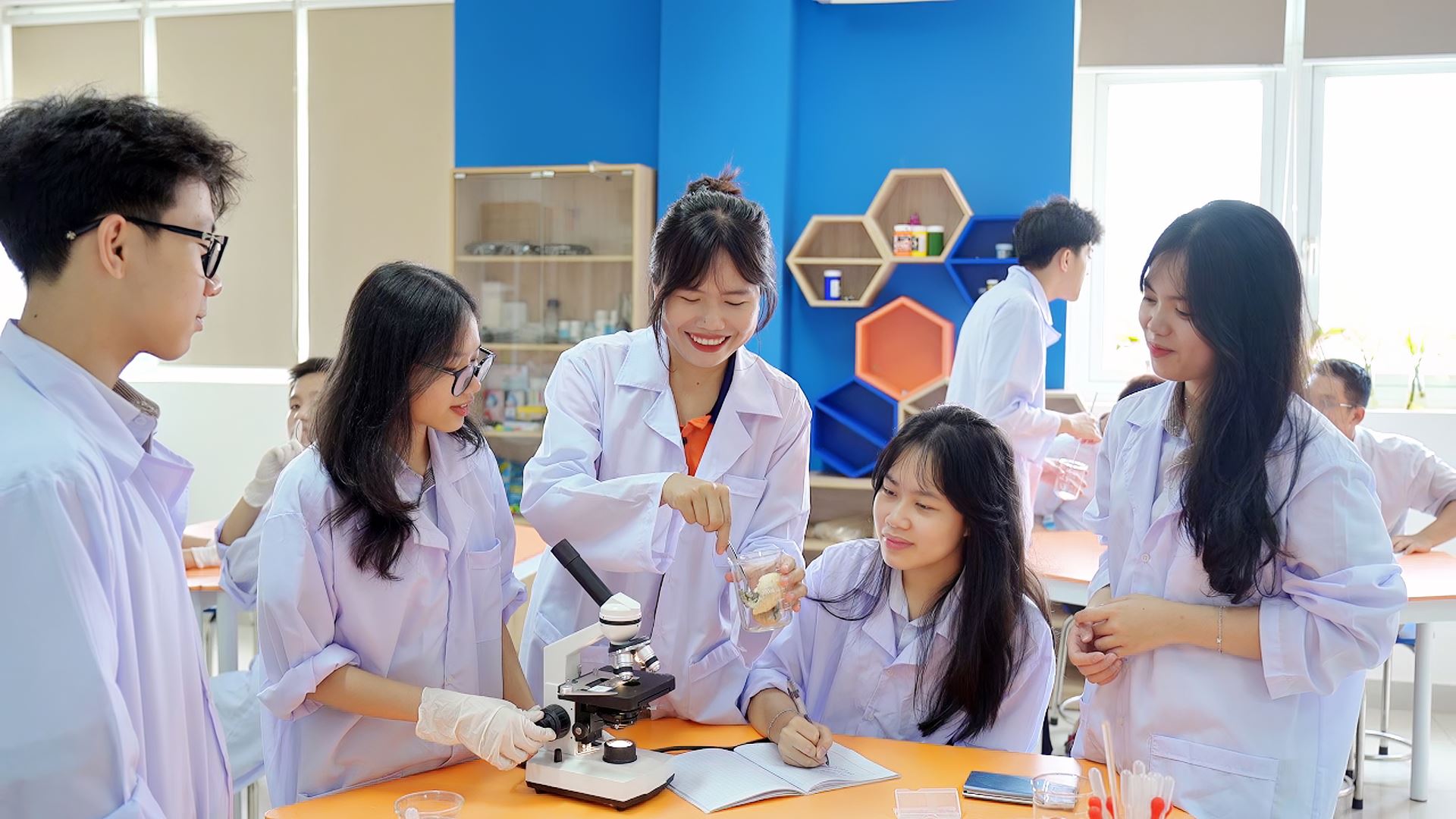
Through discussions, collaborative activities, and practical applications, teachers gained new perspectives on designing learning experiences that help students learn more deeply, retain knowledge longer, and develop sustainable independent learning habits.
FROM KNOWLEDGE PROVIDERS TO THINKING COACHES
One of the most significant themes of the program was reexamining the role of teachers in contemporary education.
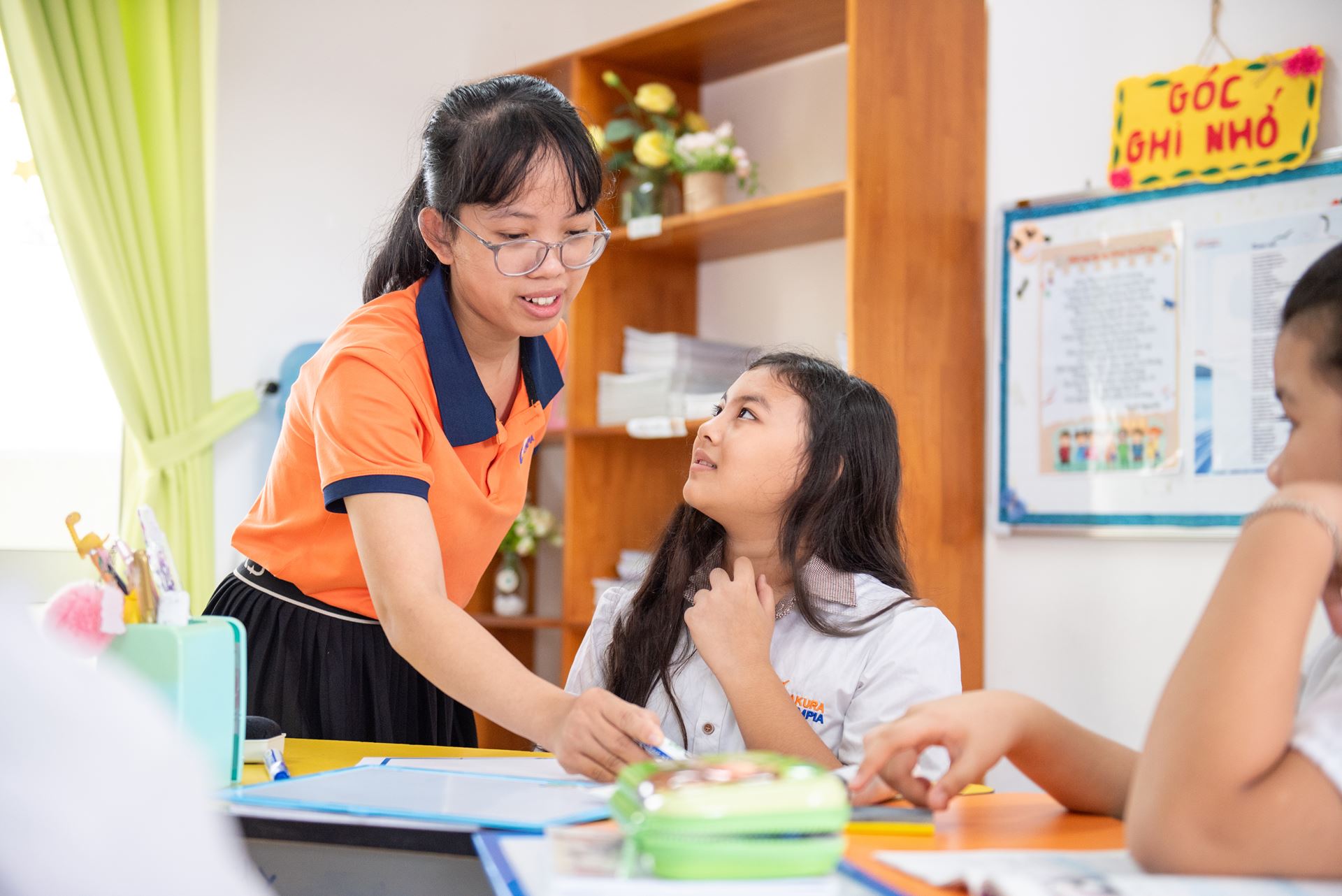
Traditionally, teachers were viewed as providers of knowledge and answers. Today, that role is evolving. Teachers are becoming designers of learning environments, facilitators of inquiry, and guides who support students as they construct their own understanding.
This shift not only improves academic learning but also nurtures essential 21st-century competencies, including critical thinking, problem-solving, self-directed learning, and a lifelong love of learning.
After all, the ultimate goal of education is not to make students dependent on their teachers, but to gradually empower them with the ability to learn and grow independently throughout their lives.
BUILDING A CONTINUOUS LEARNING JOURNEY FROM PRIMARY TO HIGH SCHOOL
The training also provided an opportunity for teachers across all grade levels to develop a shared understanding of students’ learning development at different stages.
At the Primary level, the focus is on nurturing curiosity, building positive learning habits, and fostering a love of exploration. At the Middle School level, students gradually develop self-regulation skills and effective learning strategies. At the High School level, they further strengthen independent thinking, research skills, and self-management to prepare for higher education and future life challenges.
This continuity across grade levels forms the foundation that enables every Olympia student to become an independent, confident learner capable of thriving in a global environment.
READY FOR THE NEW SCHOOL YEAR
Having completed the first training phase, Olympia teachers are now focusing on implementing the Summer Program before continuing with the second phase of professional development on personalized learning and differentiated instruction.
Each training session is not only an opportunity to stay updated on emerging educational practices but also a chance for teachers to reflect, collaborate, and further refine their roles as educators.
With a commitment to continuous learning, Olympia’s teaching team is building a strong foundation for the new academic year—one where every lesson helps students not only acquire knowledge but also understand how to learn, how to think, and how to confidently explore an ever-changing world.
Because in a world of constant change, the greatest gift education can offer is the ability to learn independently and the confidence to keep learning for a lifetime.
Primary News Other

TOUCHING THE MOON 2026: A MOONLIT SEASON OF LOVE

[PRIMARY] GROWING TOGETHER: LEARNING TO PROTECT OURSELVES, RESPECT AND SUPPORT OTHERS
